Astronomy
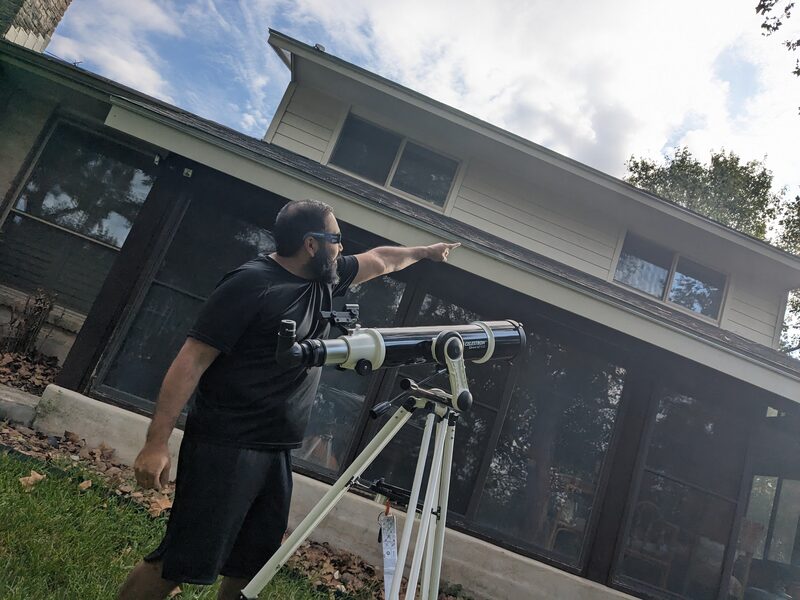
This one started with a bedtime-sky kind of conversation - explaining the constellation Orion to my son, whose middle name is Orion. That turned into regular stargazing, and my wife gifted me a Celestron telescope (an Omni AZ 102 refractor) to take it further.
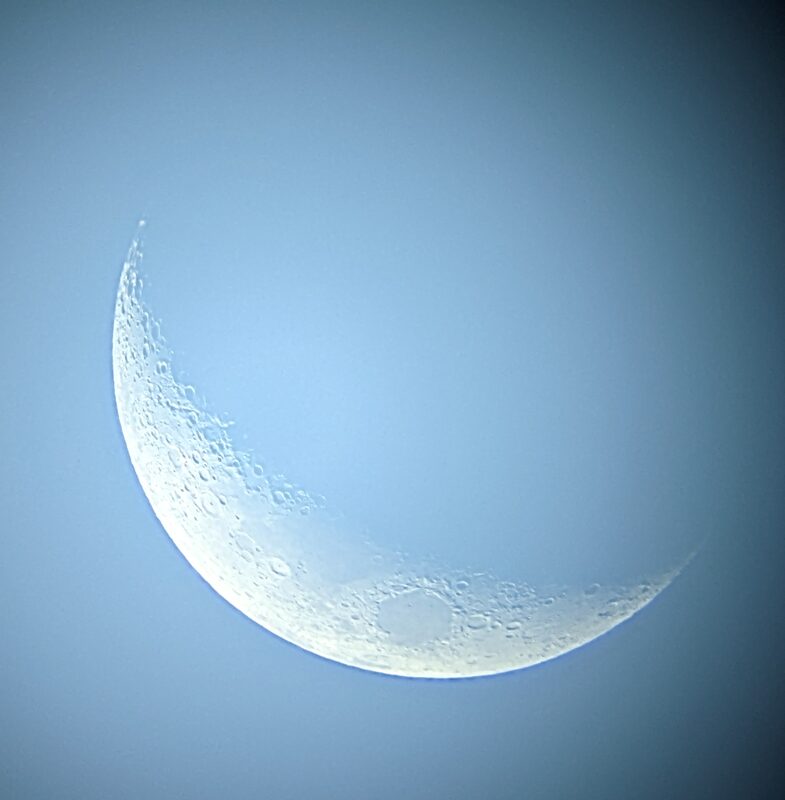
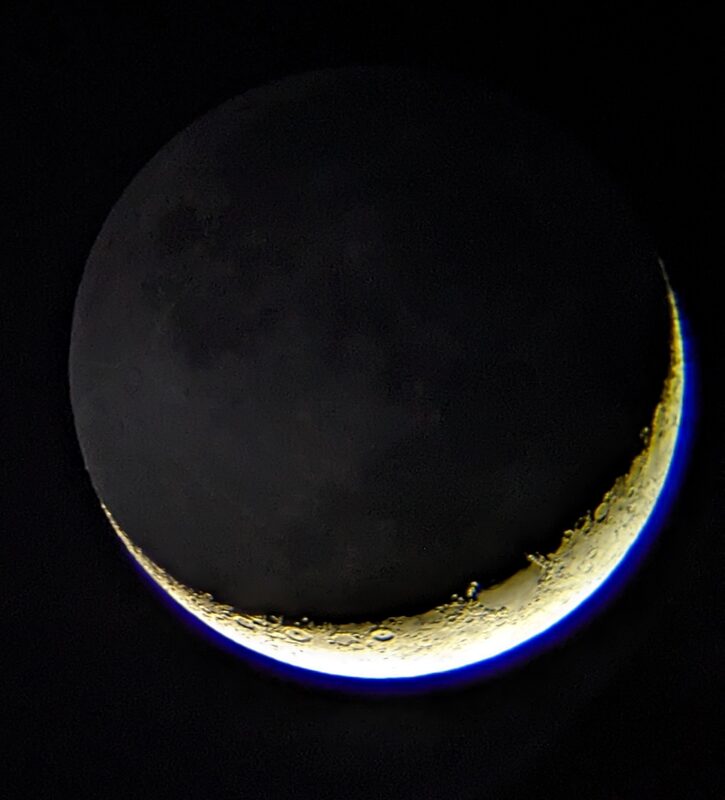
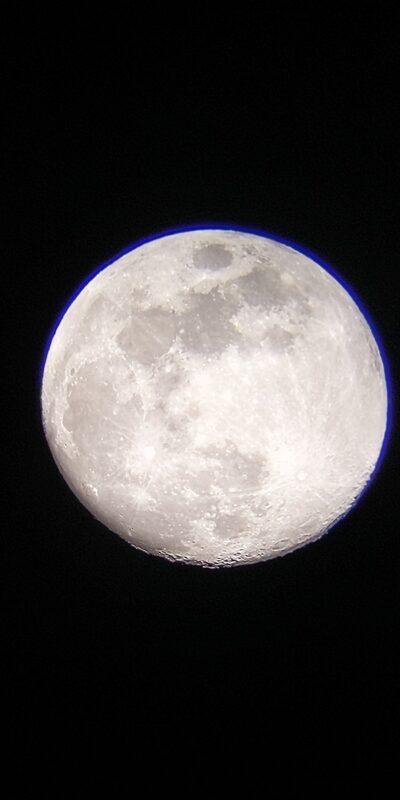
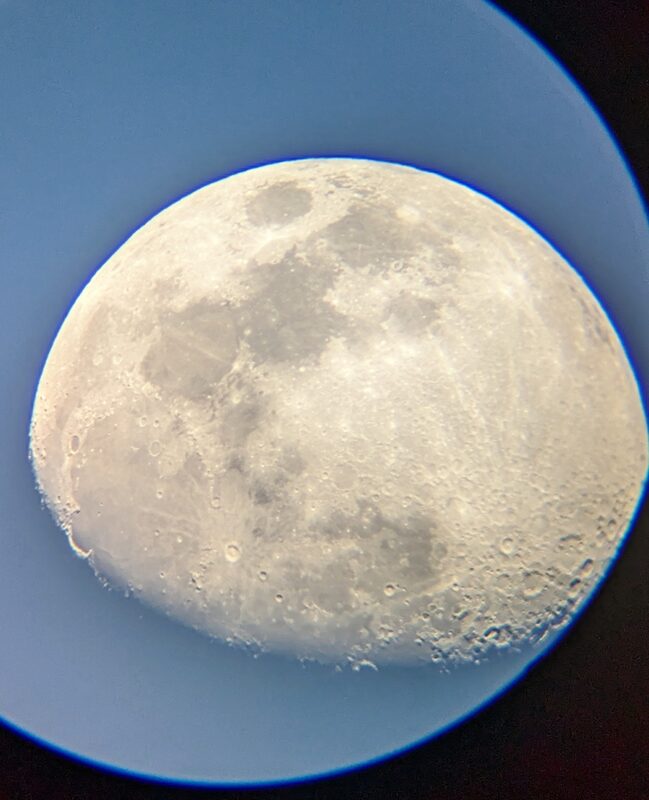
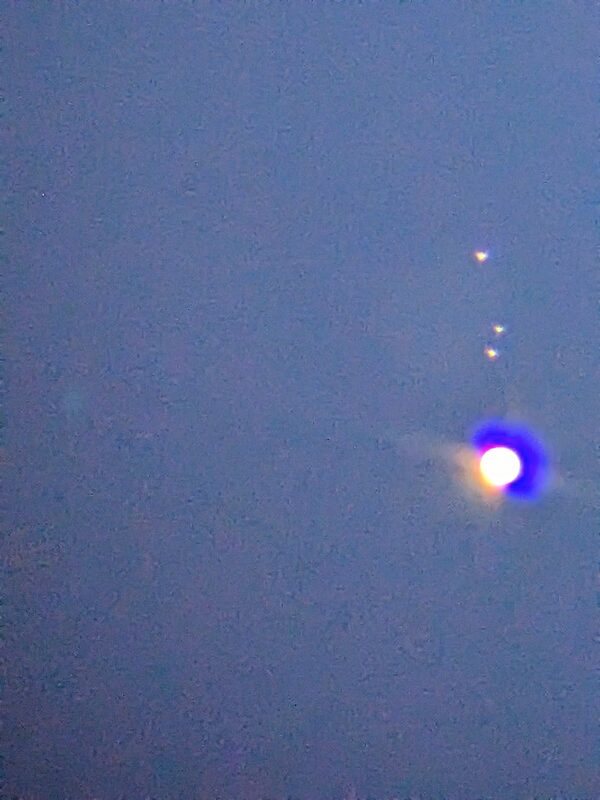
Most nights out are spent on the moon - phase after phase, from thin crescents with earthshine glowing on the dark limb to full, crater-lit disks - and on Jupiter, close enough to pick out a few of its moons as faint points strung out beside it.
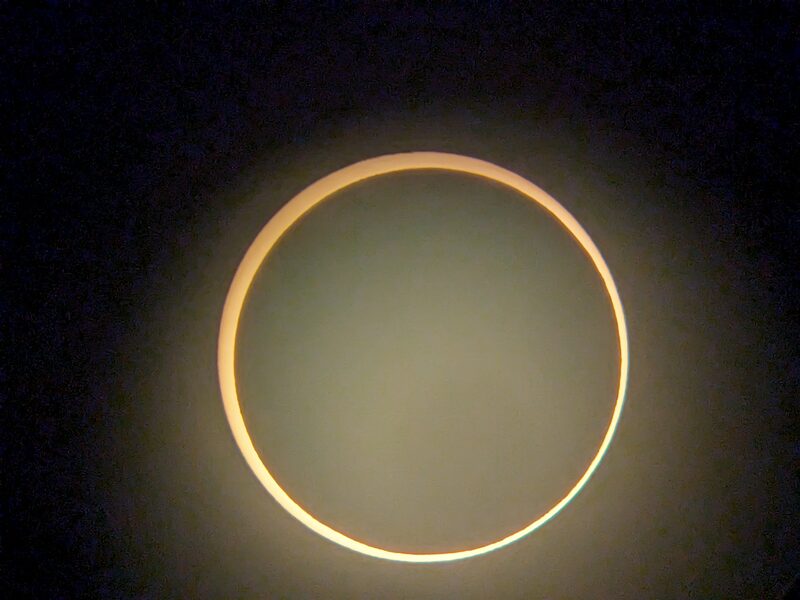
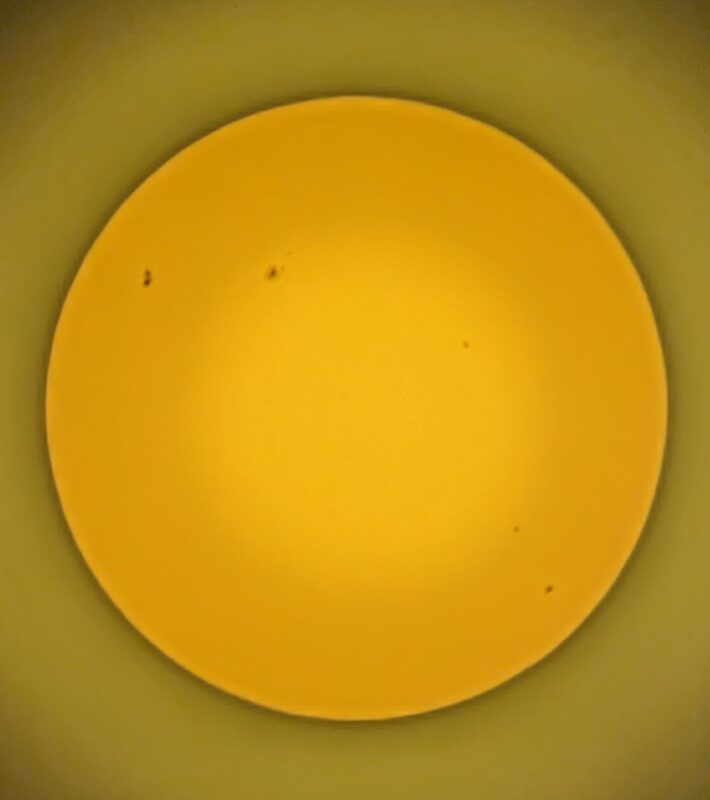
I later added a solar filter to the telescope, which opened up daytime viewing: sunspots visible as small dark marks on the sun's face, and an annular "ring of fire" solar eclipse, watched and photographed straight through the filtered scope.
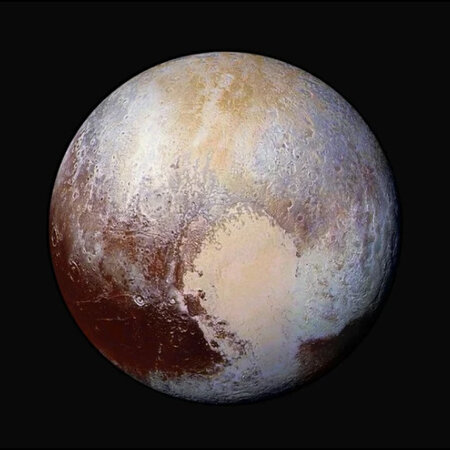
The fascination with space actually goes back further than the telescope. Years earlier, working as a calibration technician at Southwest Research Institute, I ended up in the NASA department calibrating the scale used to weigh the plutonium going onto New Horizons, which launched in 2006 and reached Pluto in 2015. "Why plutonium?" sent me down a research rabbit hole, and with my PMEL background in thermocouples, understanding how that plutonium actually powers a spacecraft is what planted the seed.
Fun fact: A thermocouple is 2 distinct metals joined together that produces a voltage when heated. Plutonium is an unstable metal that gets extremely hot. The temperature in space is extremely cold. So when you put plutonium, a thermocouple, and space together, the thermocouple will produce a voltage that can be used to power a spacecraft. Voyager 1 is over 15 billion miles away from earth and counting, and has been powered by a thermocouple since 1977.
Another fun fact: NASA's newest space telescope, the James Webb Space Telescope, is more powerful than Hubble and sees mostly in infrared instead of visible light. It sits at Lagrange point 2 (L2). The Earth's orbit around the sun is trying to launch it into space but the sun's gravity is trying to pull it back, so it just chills in place, never facing the sun, about a million miles away.